Muskegon, MI · Garage Door Service
Muskegon Garage Door Pros repairs springs, openers, and panels on the 1960s and '70s doors common across Muskegon's 14 neighborhoods, from North Muskegon to Fruitport.
What We Do
From a snapped spring to a full door replacement - one local crew, upfront pricing.
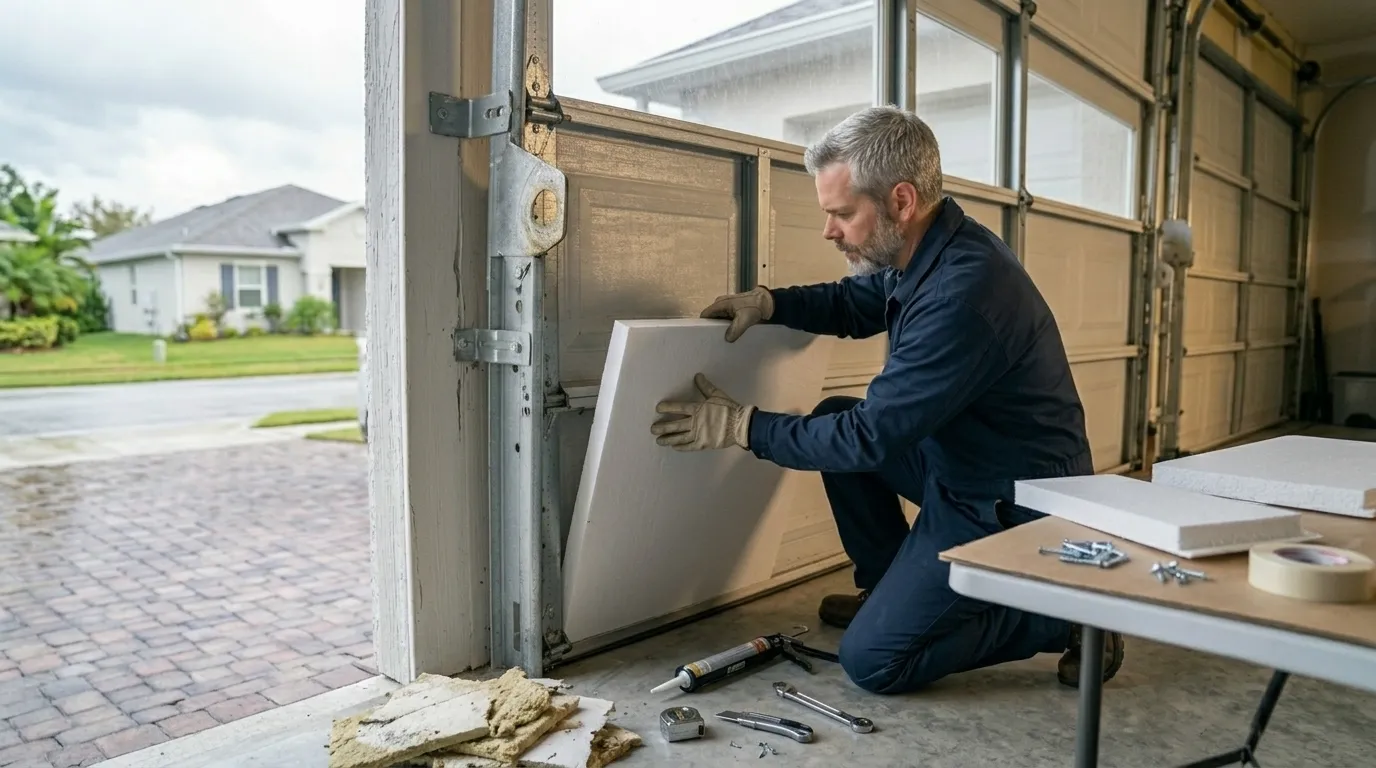
Off-track doors, snapped cables, bent panels and grinding openers - diagnosed and fixed.
Learn more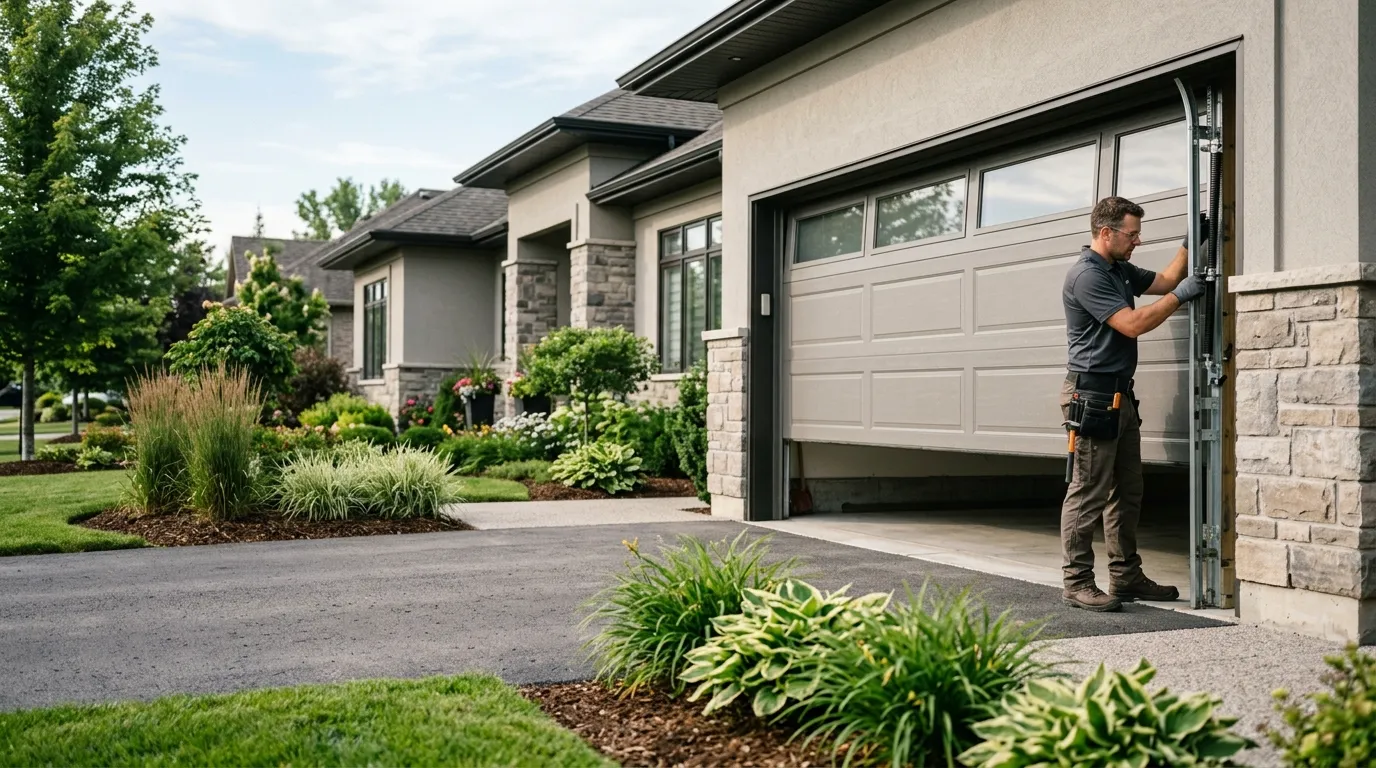
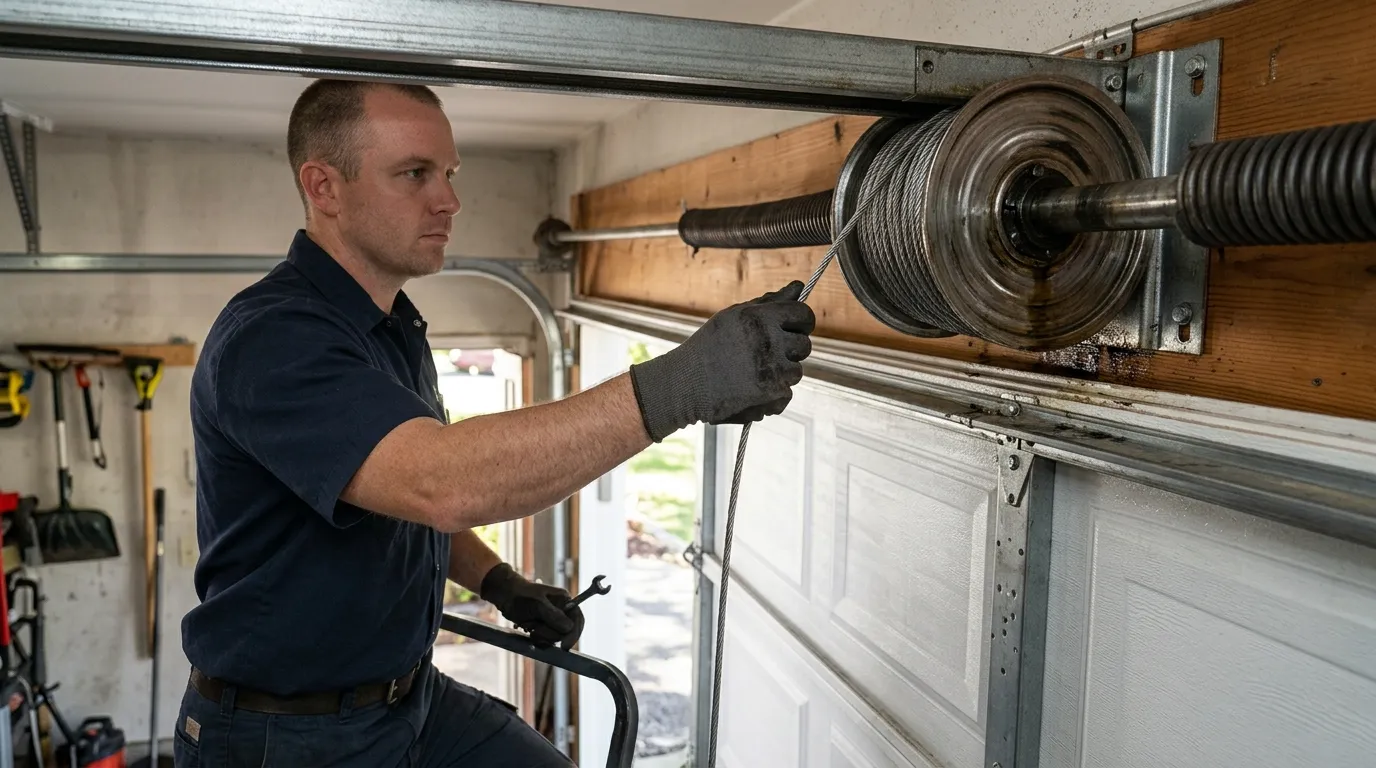
Torsion and extension springs replaced safely - the job you should never DIY.
Learn more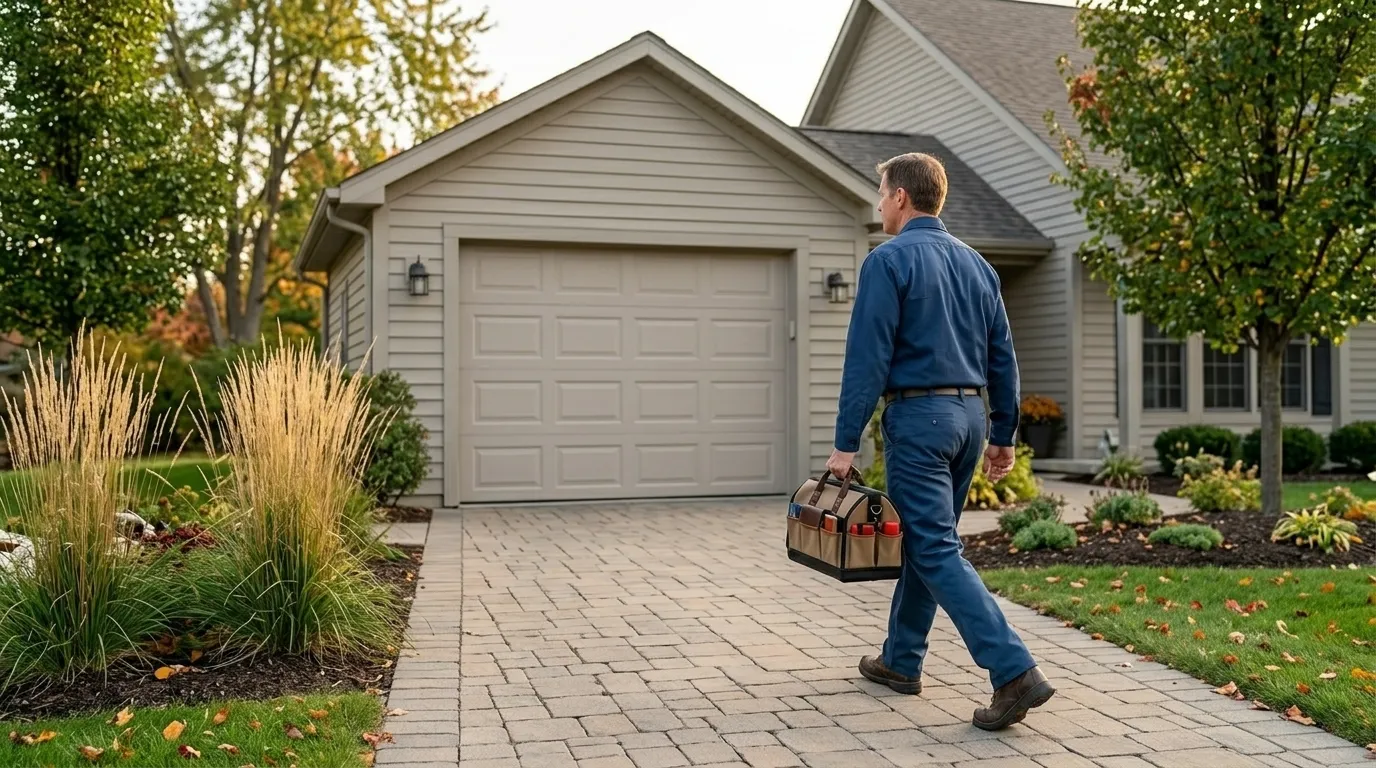
New openers sized to your door, wired, programmed and safety-tested.
Learn more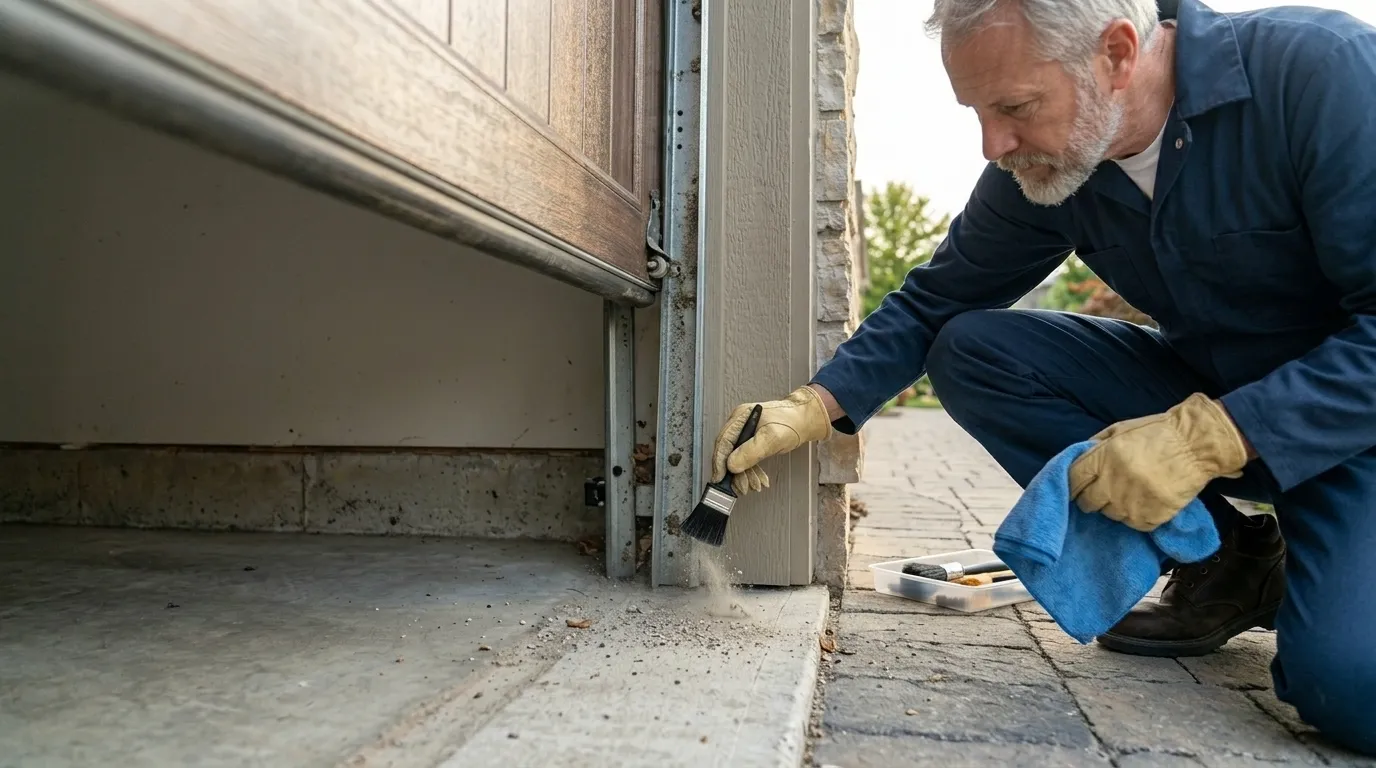
Dented or cracked sections swapped for a match without replacing the whole door.
Learn more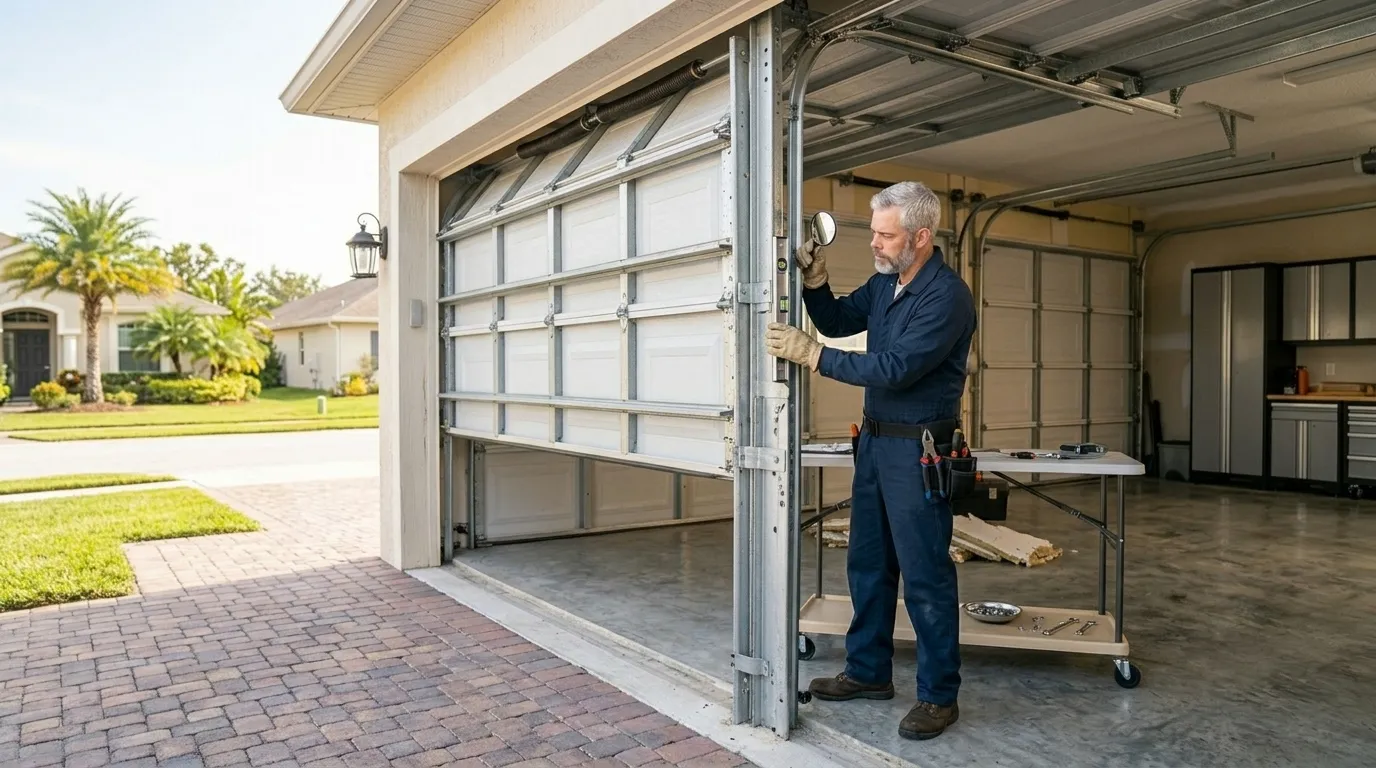
Worn nylon or steel rollers replaced to kill the grinding and shaking.
Learn more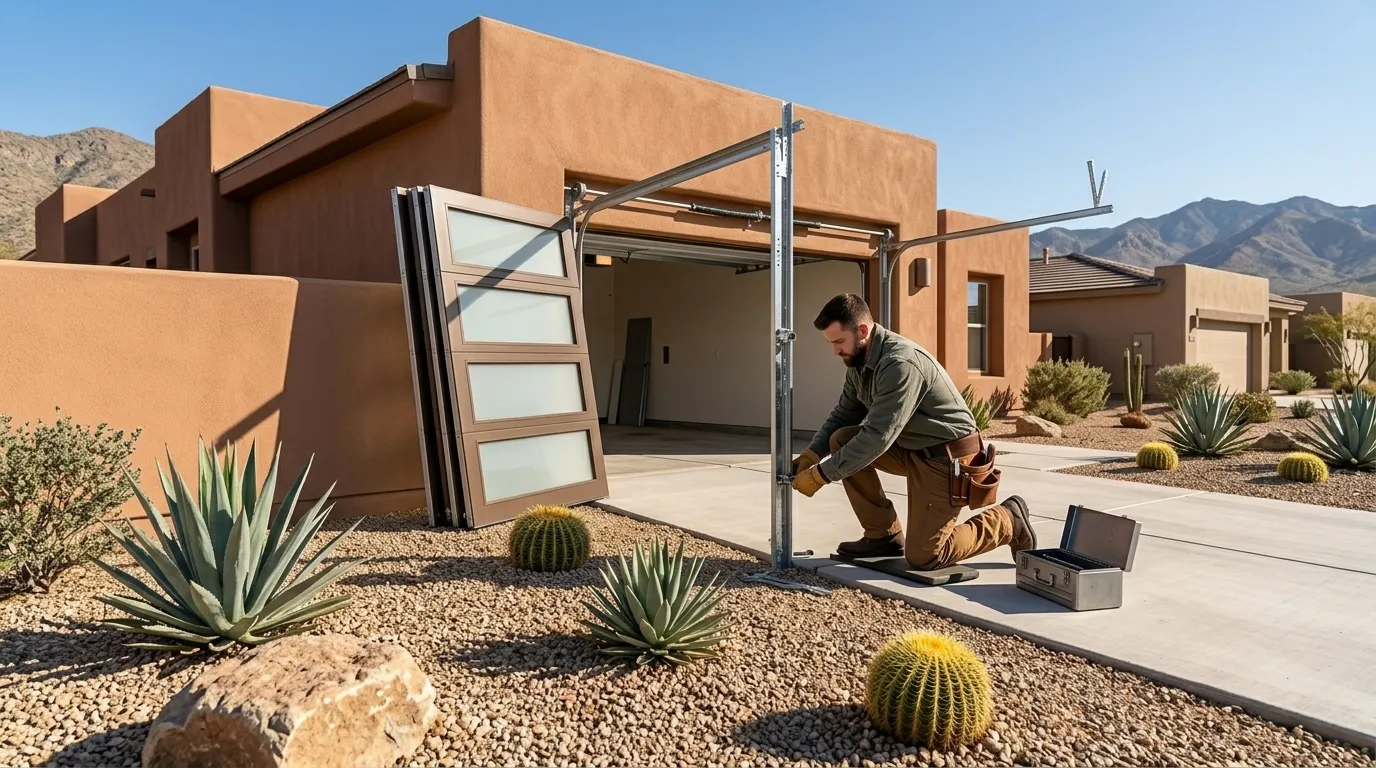
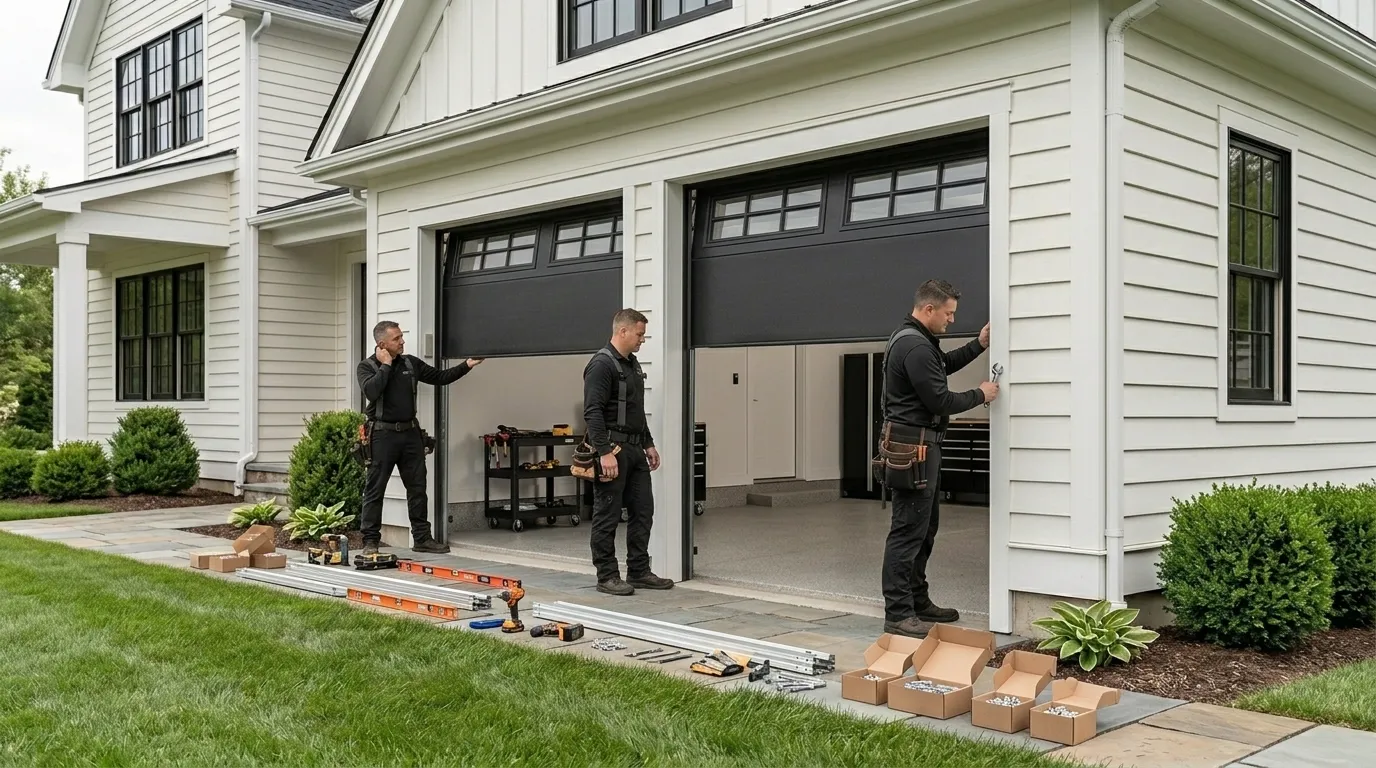
New garage door install for Muskegon-area homes built mostly in the 1960s and 70s, sized right for our cold winters and older door openings. Straight talk, real parts.
Learn moreFast Response
A stuck or broken garage door can't wait. Call before the afternoon and we can usually be out the same day - most repairs are diagnosed and finished on the first visit, with an upfront price before any work starts.
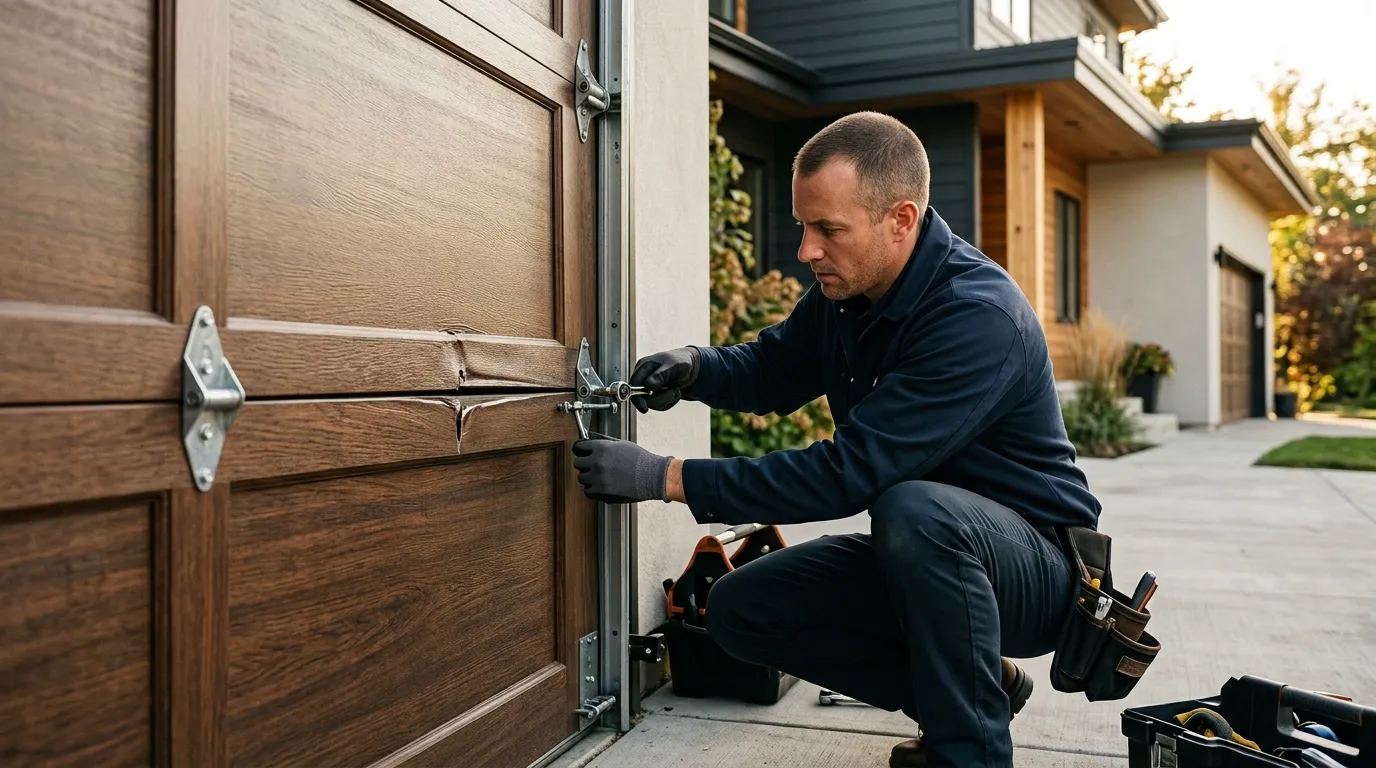 Same-day service
Why Muskegon Calls Us
Most repair calls are handled the same or next day - springs and openers don't wait.
Trained techs, proper spring tools, and the insurance to back the work.
A written quote at the door before any work starts - no surprise add-ons.
We diagnose the actual cause, not just the symptom, so the door stays fixed.
Fully stocked trucks mean most repairs are finished on the first visit, no second trip.
A Muskegon-based team you can reach directly, not a national call center.
How It Works
Call or request a quote and describe what the door is doing - noise, off-track, won't open.
A tech inspects the springs, tracks, opener and panels and gives you a written price first.
Most repairs are done on the same visit; installs are scheduled around you.
Our Work
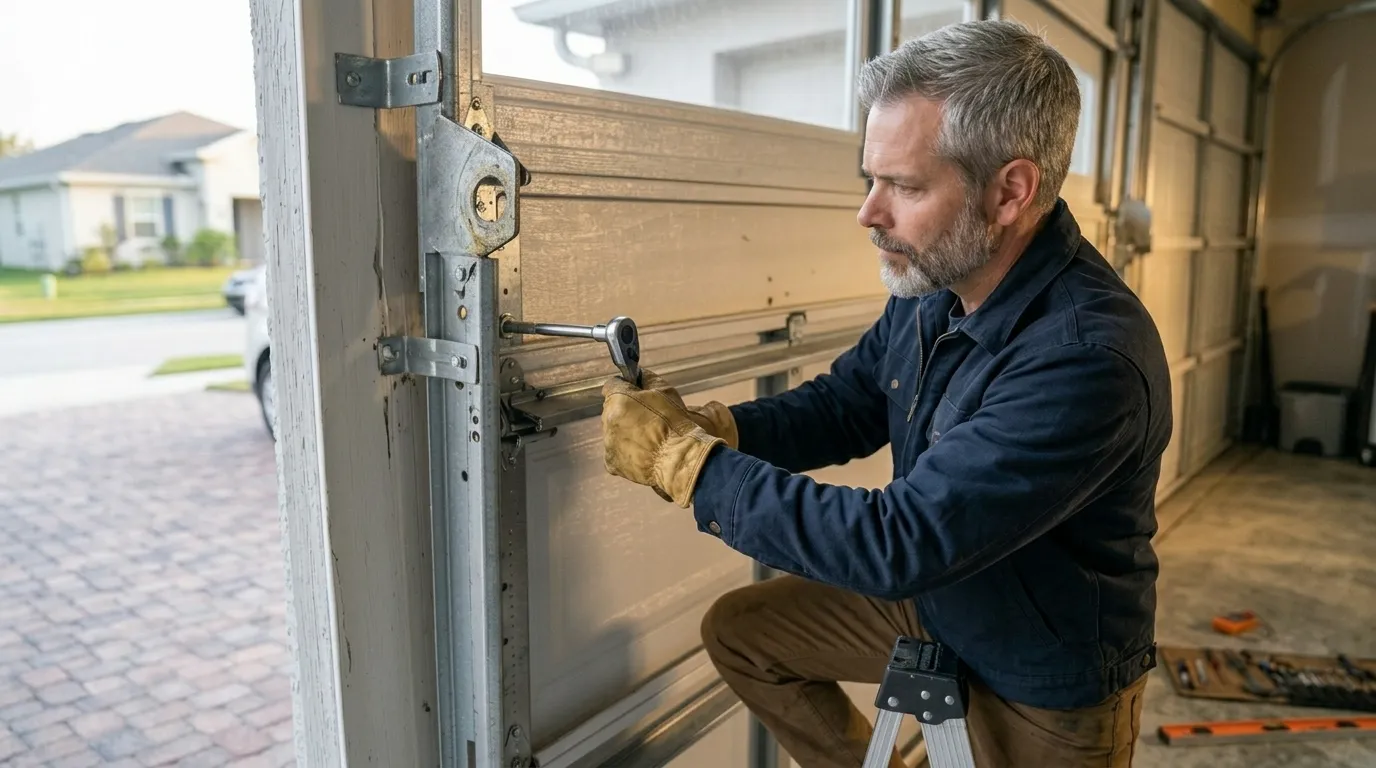
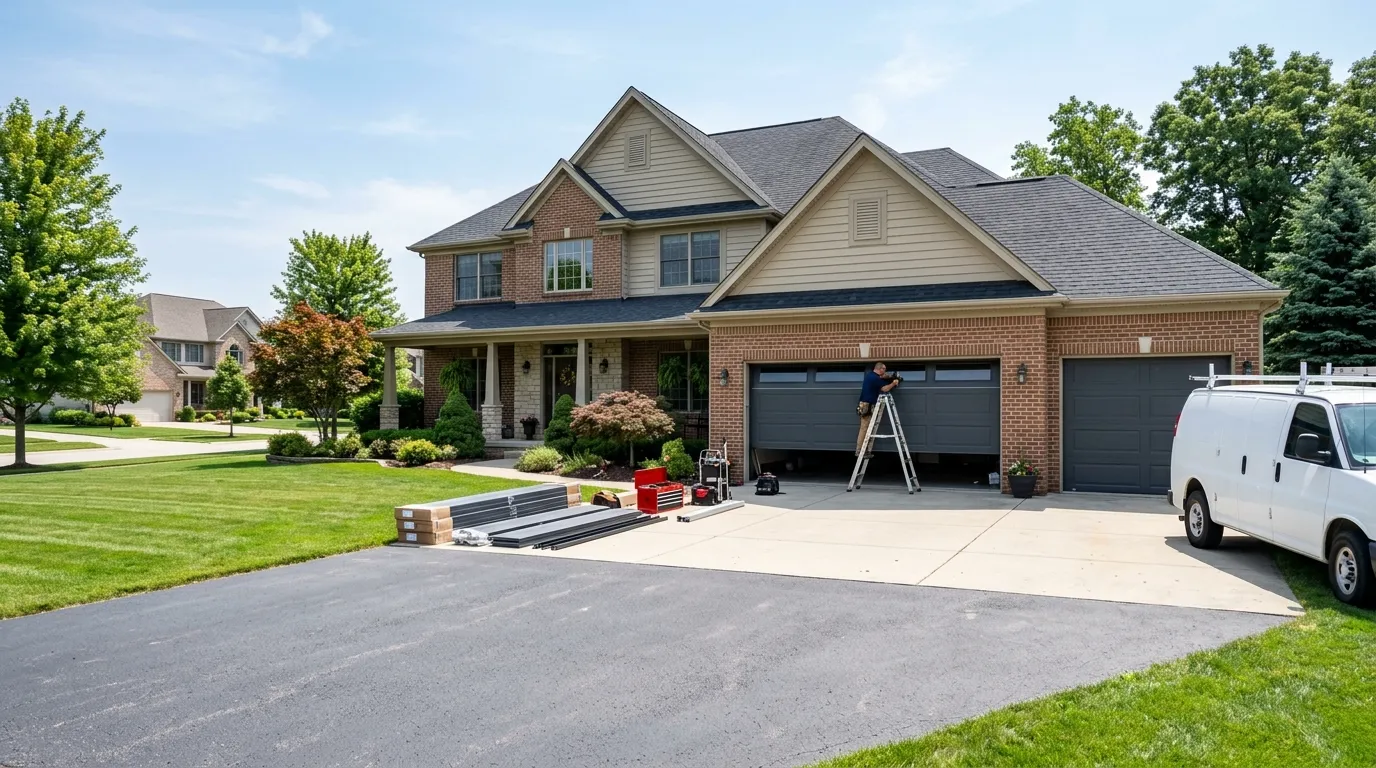
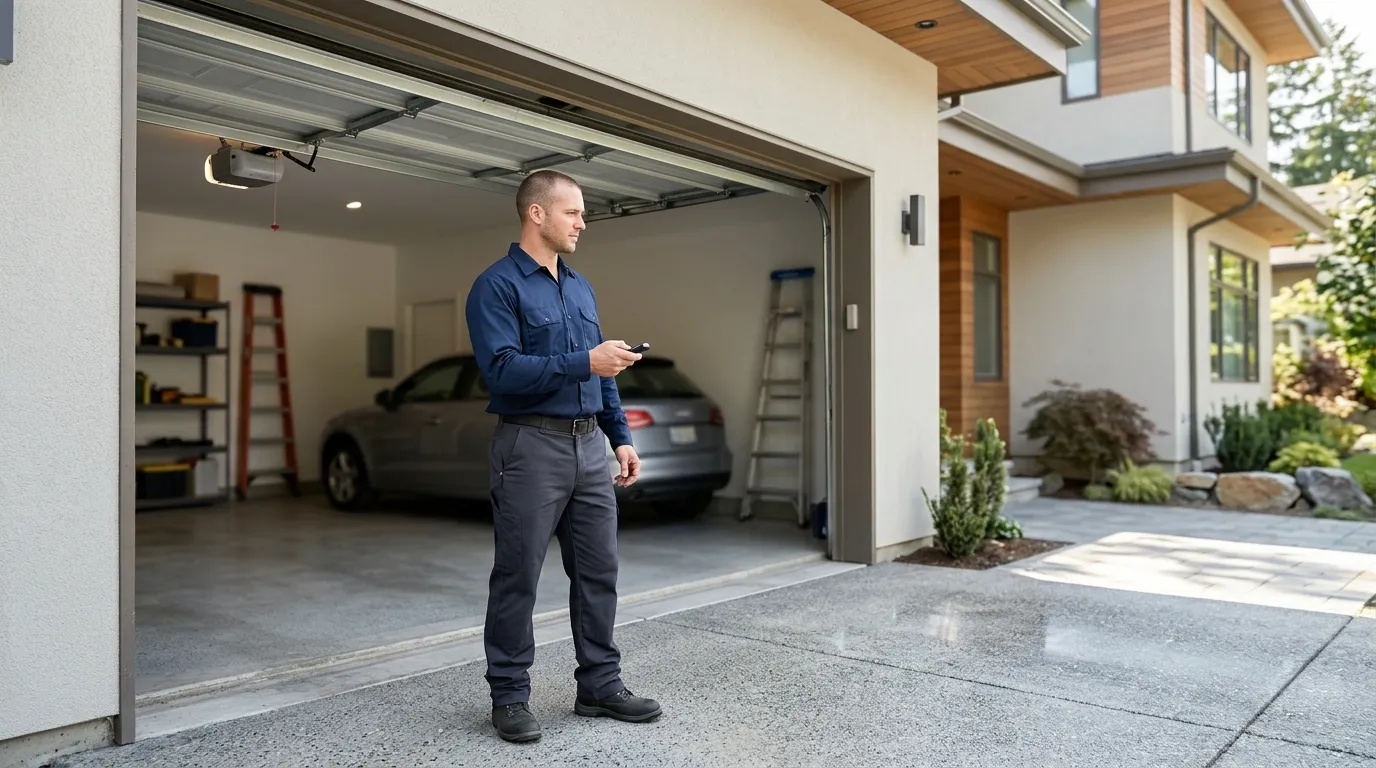
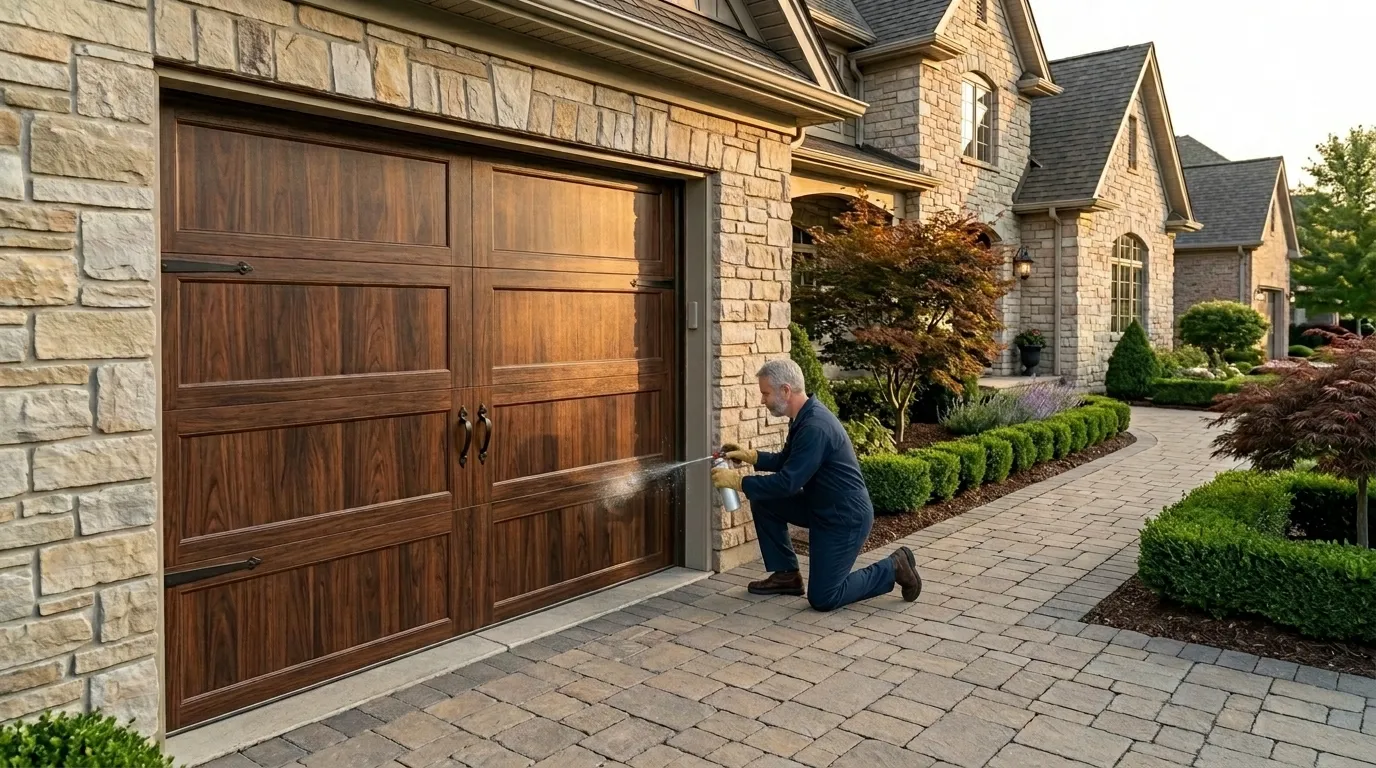
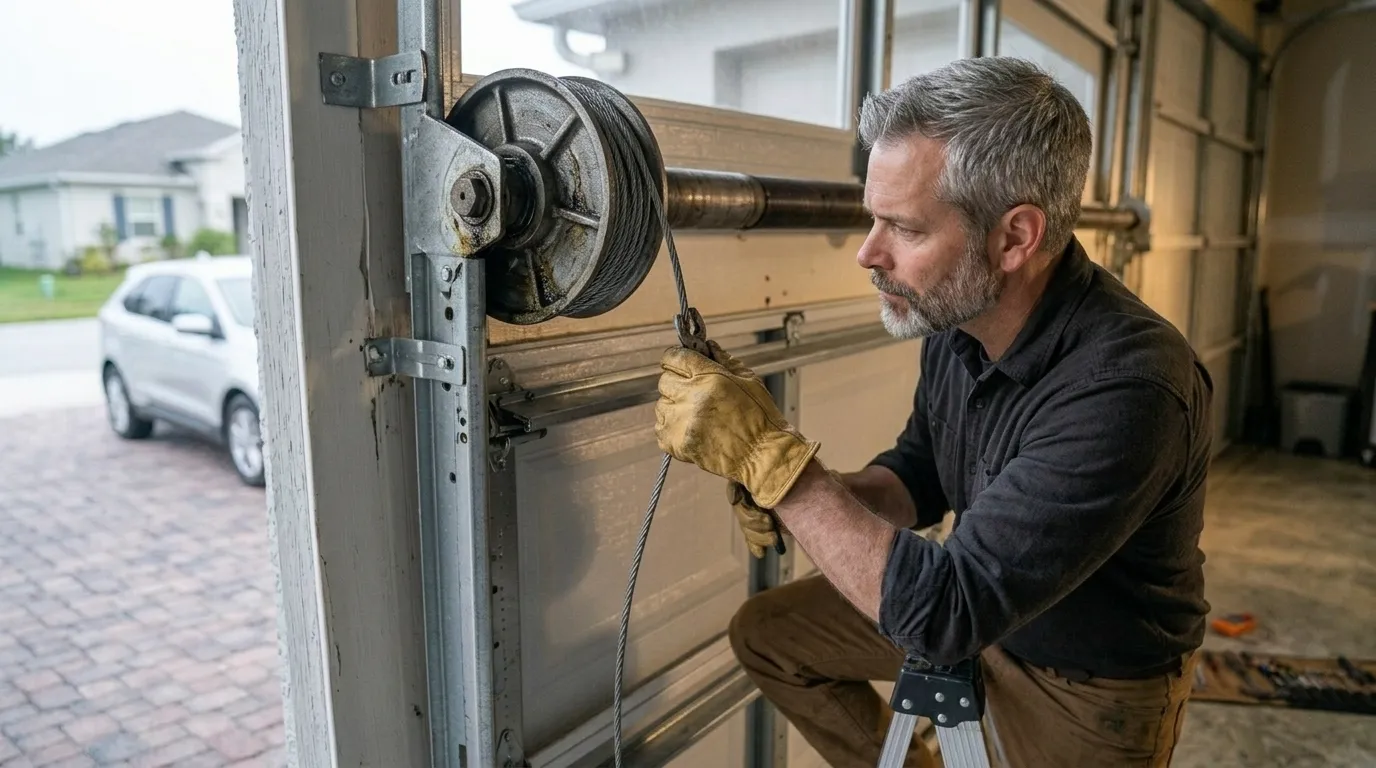
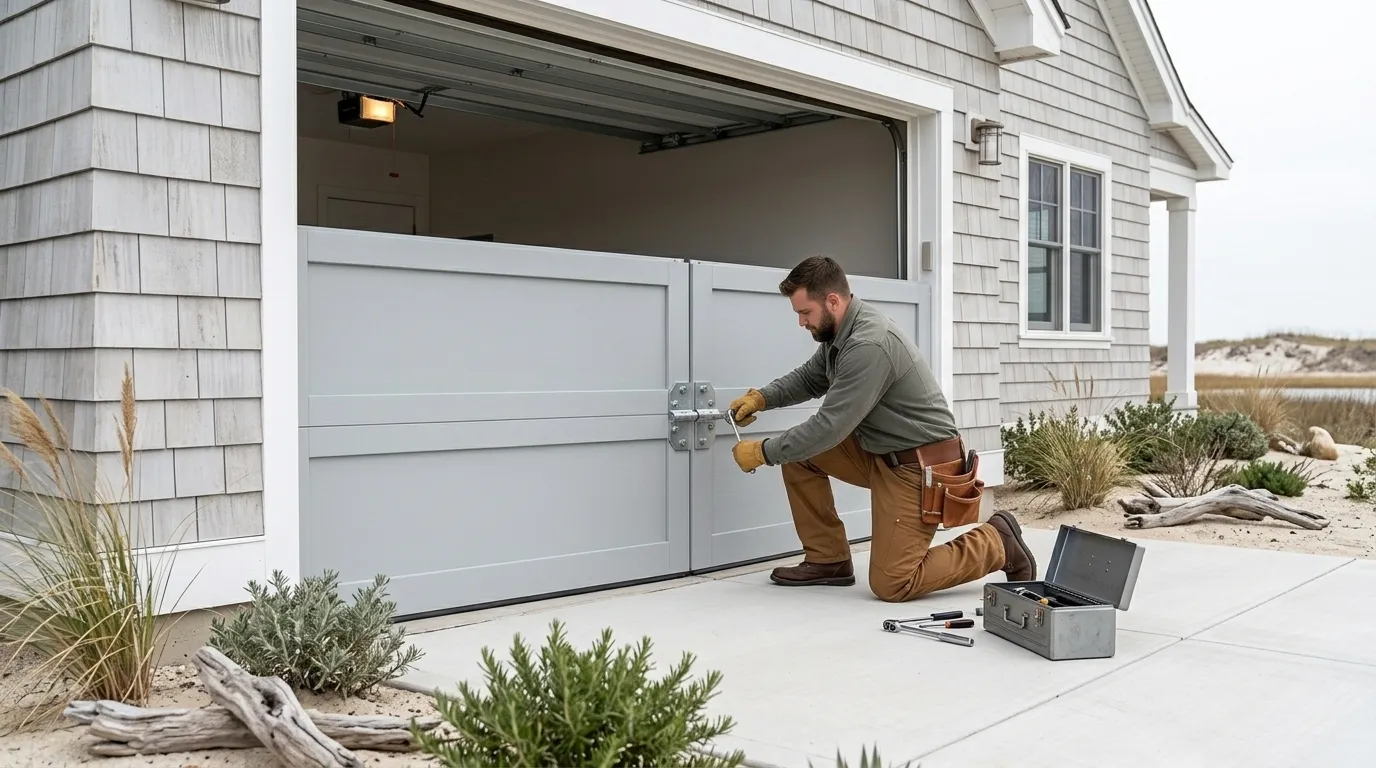
A look at doors, openers and springs we've installed and serviced across the Muskegon metro.
Where We Work
Neighborhoods across the city and suburbs around the metro. Not sure if we reach you? Just ask.
Local Expertise
Drive through any of the roughly fourteen named pockets that make up this service area and you'll notice the pattern fast: most of what's standing went up between 1945 and 1994, with the heaviest run of construction in the 1960s and '70s. That's true whether you're two miles out in North Muskegon or Muskegon Heights, four miles south in Norton Shores, or out toward Fruitport and Twin Lake at the nine- and ten-mile mark. A house built in 1968 doesn't have the same garage door setup as one built in 2005 - different track spacing, different opener mounting, often a single steel panel door instead of the sectional doors that came later. We see the same handful of hardware generations over and over because the neighborhoods themselves were built in the same handful of years. That's not a coincidence, and it's why a lot of what we carry on the truck is picked for doors of that era specifically, not for whatever's newest at the supply house. If your door still has the original spring setup from whenever your street went in, you're not unusual around here - you're the norm.
We'll say this plainly: not every door on our schedule should be repaired. If the panels are rusted through at the bottom, if the track is bent badly enough that it's been reshaped more than once, or if the door is the original single-panel type from a house built in the 1960s or '70s and parts for it are getting harder to source, patching it again just delays the real cost. We'd rather tell you that on the first visit than sell you a repair that fails again in eight months. On the other hand, a broken spring or a worn-out roller on a door that's otherwise solid is almost always worth fixing - that's a straightforward job, not a reason to replace anything. The honest limitation here: we don't stock every obsolete part for every door built forty or fifty years ago, and sometimes the wait on a specific bracket or hinge for an older door runs longer than either of us would like. When that happens, we say so up front instead of guessing at a timeline.
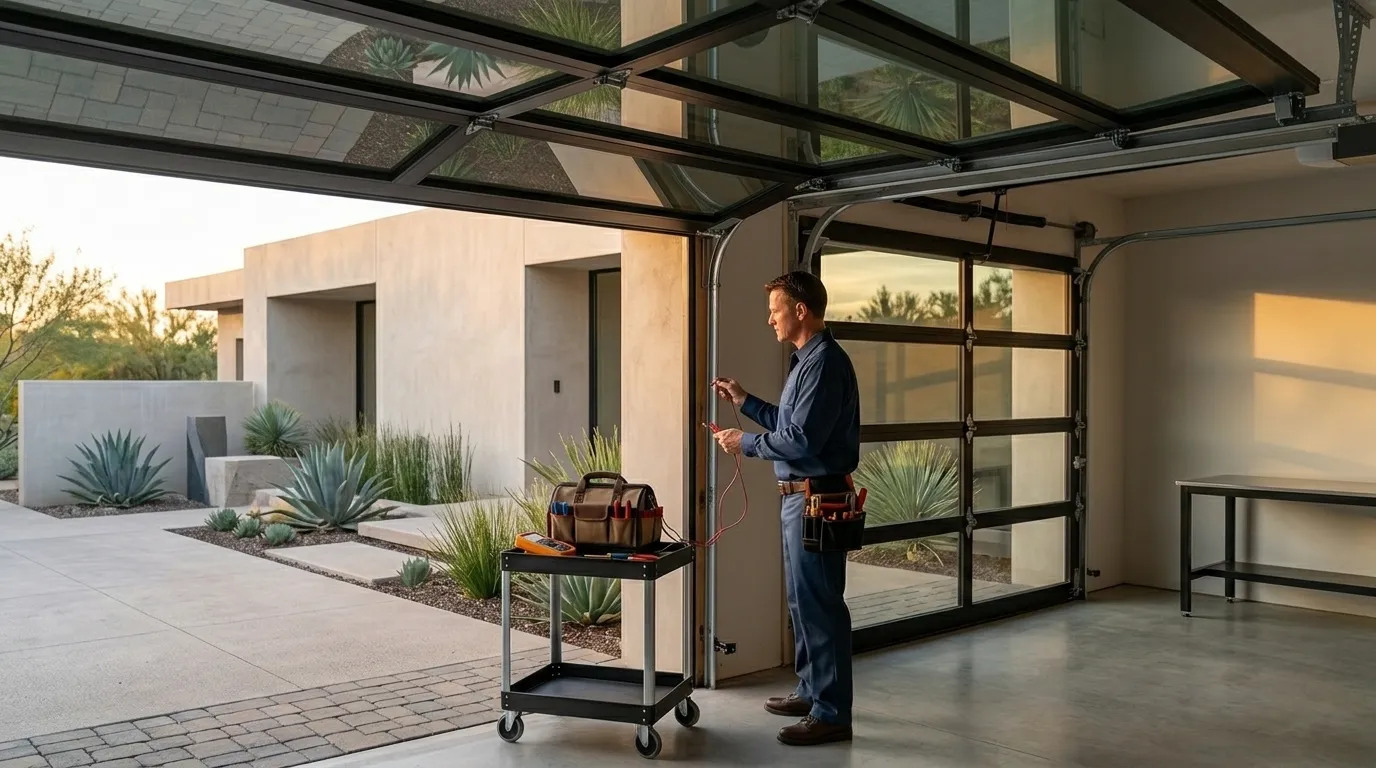
We're not going to print a price list here, because what a job costs depends on what's actually wrong and what your door is built like. What we can tell you is what drives the number up or down. Age of the door matters - hardware from the 1960s-70s wave of construction across this area sometimes takes longer to source than a part for a door installed last year. Winter matters too: this is a cold climate with severe swings, and a spring under tension that's been sitting through freeze-thaw cycles for a few decades doesn't behave the same as new steel. With a median household income of $68,326 across the roughly 26,000 households here, and 17,080 of those in owner-occupied houses, most of what we quote lands in a range that reflects working homeowners fixing a real problem, not upgrading for its own sake. We give you the number before we start, not after.
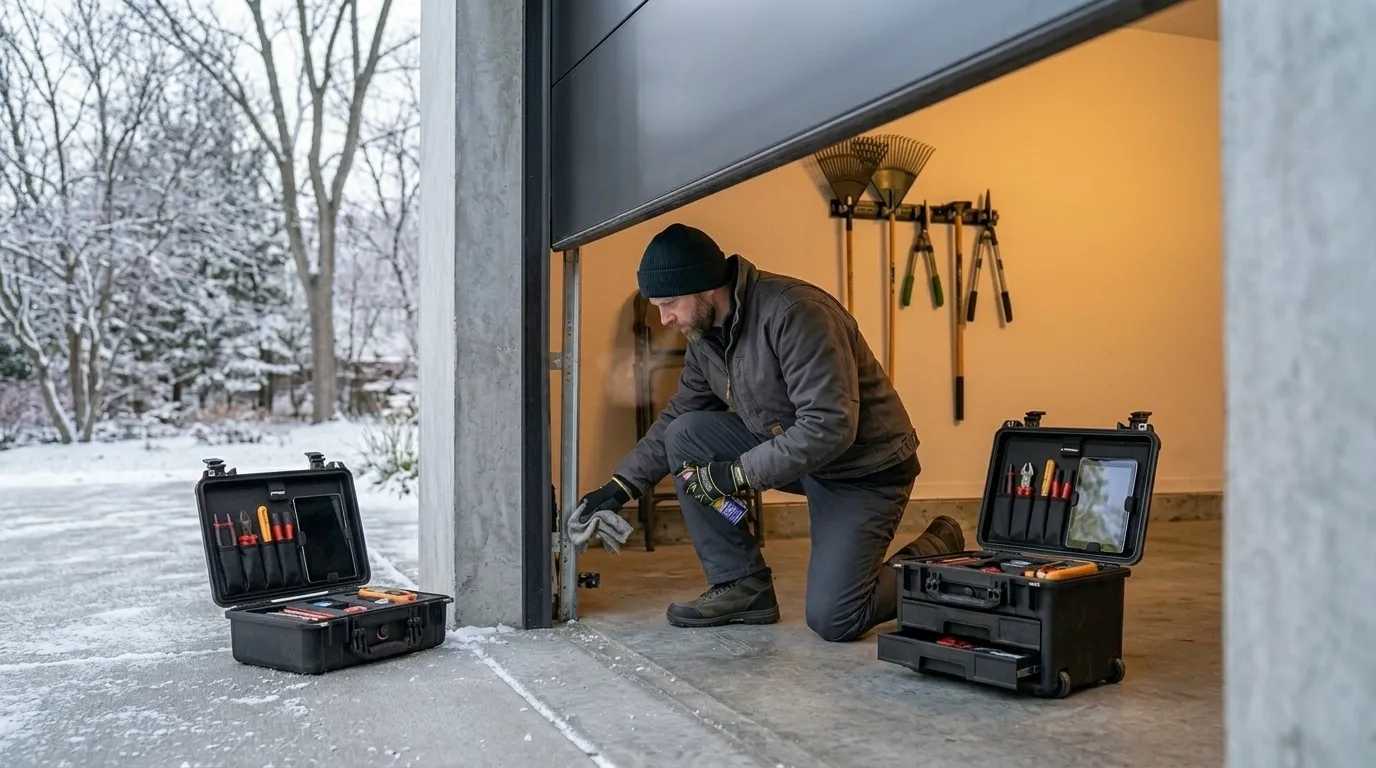
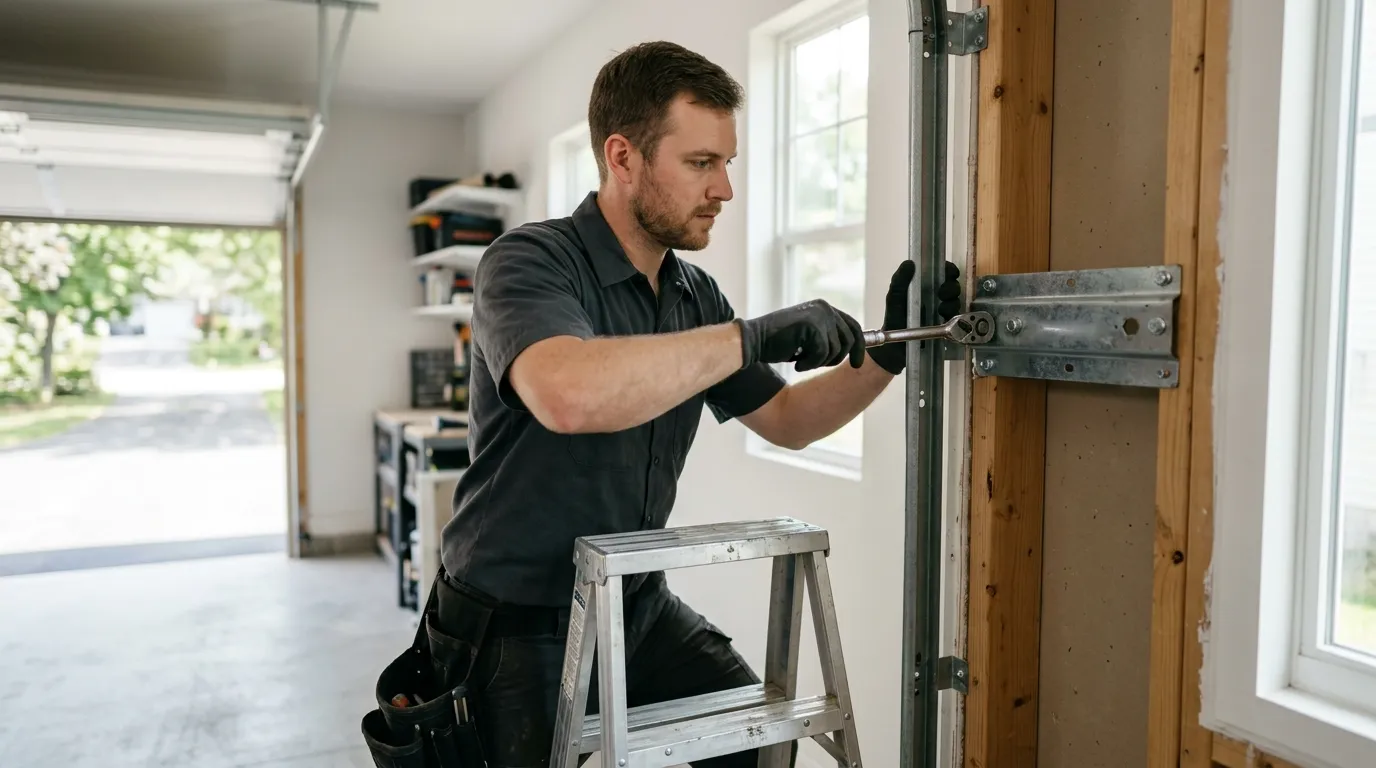
Given how much of the housing stock here dates to the 1960s and '70s, the calls follow a pattern. Torsion springs that were sized for a lighter, older door and are now overdue for replacement. Openers from an earlier generation that are on their second or third remote and finally quitting for good. Rollers and hinges worn from decades of a door that's been opened and closed without much attention to lubrication. Track that's slightly out of alignment because the framing around it has settled the way houses do after fifty-plus years. We also get panel damage - dents and cracks - more on the older steel doors than on newer ones, since the gauge of steel used decades ago dents differently than what's sold today. None of this is exotic. It's what you'd expect from a service area where the housing is concentrated in a narrow band of decades rather than spread evenly across a century. Knowing that in advance is part of why we can usually tell you what's likely wrong before we're even at the door.
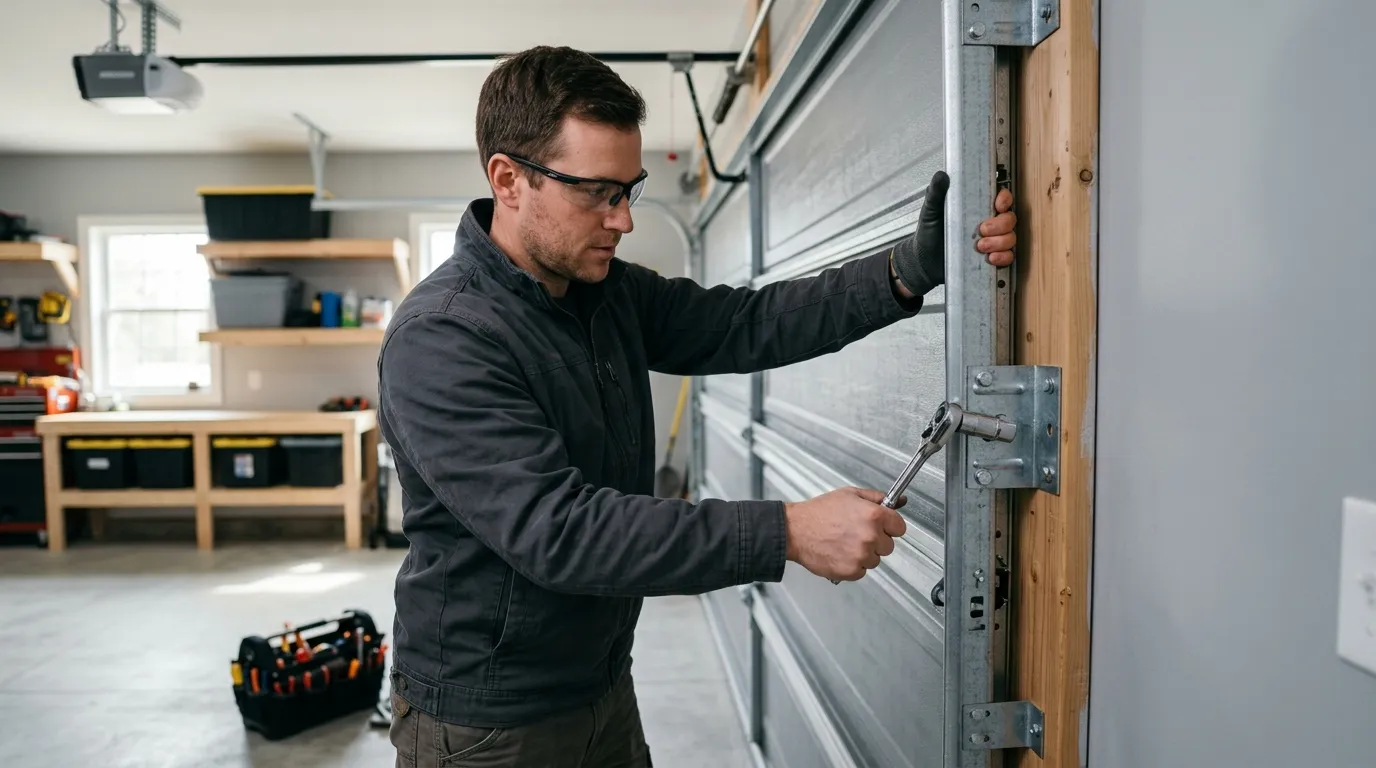
You call, you describe what the door is doing - won't open, stuck halfway, making a grinding noise, whatever it is - and we ask a few questions about the door's age and what kind of opener it has, since that tells us a lot before we ever see it. We come out, look at the actual hardware, and tell you straight what's broken and what it'll take to fix it. If it's a spring, roller, cable, or opener issue, we usually handle it on that same visit. If it's something that needs a part we don't have on the truck - more likely on an older door from the 1960s or '70s stock common around here - we tell you that and give you a real timeline instead of a guess. We don't push a full replacement when a repair will hold. We do push it when the door's condition means a repair is just postponing the same call in a few months.
Good to Know
Yes. A lot of the doors we see are original to houses built in the 1960s and '70s, which is the bulk of the housing stock across this area. Some of those are single-panel doors with older track and spring setups rather than the sectional doors sold today. We carry hardware suited to both, though parts for the oldest doors can occasionally take longer to source.
We cover the Muskegon area and the surrounding towns within roughly a 20-mile radius, including North Muskegon, Muskegon Heights, Norton Shores, Fruitport, Whitehall, and out to Coopersville. Call and tell us where you are and we can confirm.
Cold weather stiffens the metal and changes how a torsion spring under tension behaves, and this area sits in a cold climate with severe seasonal swings. Springs that are already near the end of their cycle count tend to fail during the first hard cold snap rather than in mild weather.
We can give you a range once you describe the problem and the door's age, but we confirm the real number after we look at the hardware in person. Doors from the older housing stock common here sometimes need parts that change the quote once we're on site.
Call now or request a free quote - same-day service on most repairs, upfront written pricing.